


Meaningful Work, Community Inclusion
In the News
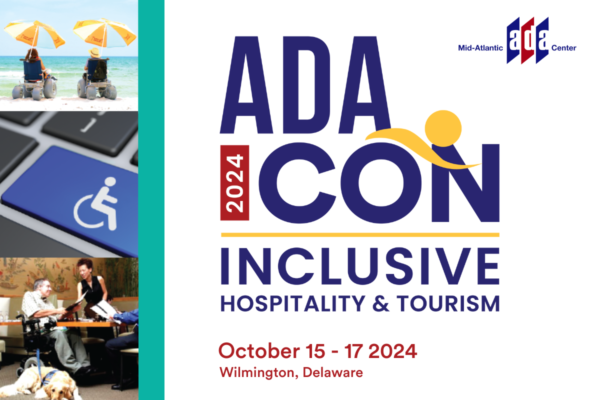
2024 ADAcon: Inclusive Hospitality & Tourism
Mark your calendars to attend the 2024 ADAcon, Inclusive Hospitality & Tourism, in Wilmington, Delaware. Join us to learn best... read more →
March 15, 2024
Project SEARCH 2024/25 enrollment is NOW OPEN!
This is an amazing opportunity to immerse yourself into a series of internship experiences that will allow you to explore... read more →
November 17, 2023
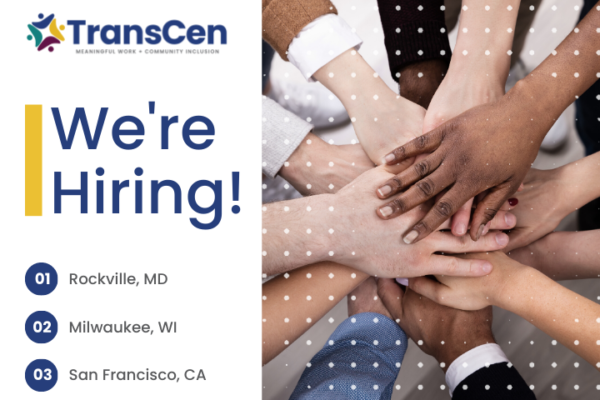
We’re Hiring! We are looking for compassionate people across the nation to join our team!
Are you looking for a job where you can earn a paycheck AND make a difference in your community? Then... read more →
October 17, 2023
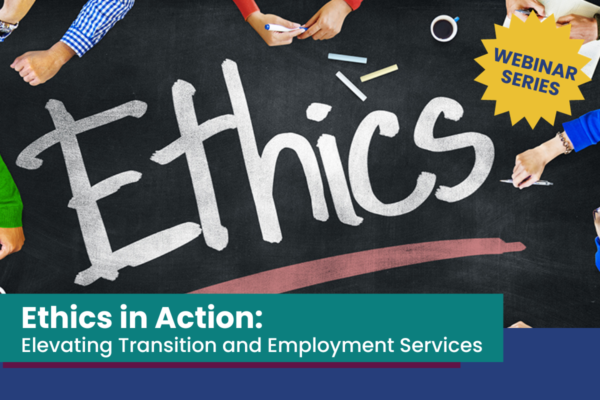
Ethics in Action: Elevating Transition and Employment Services – Webinar Series
Join the discussion as we explore foundational concepts of person-driven services and ethical thinking. Expand your knowledge by considering the... read more →
September 25, 2023
Our 3rd Annual Inclusive Employment Leadership Awards breakfast and gala!
A sincere thank you to everyone who made this event a success! It was truly an inspiring morning. Let's carry... read more →
September 13, 2023

Keeping Good People: The Value of Creating a Leadership Pathway
August 25, 2023 | 1 - 2:30 PM EDT Join us for this exciting NEW Webinar on strategies for... read more →
July 27, 2023
Featured Media & Videos
Inside Project SEARCH at Froedtert Hospital
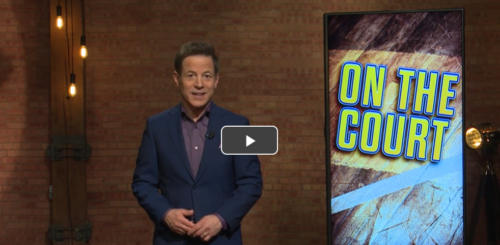
Watch this feature on CBS News to see our direct services in action!
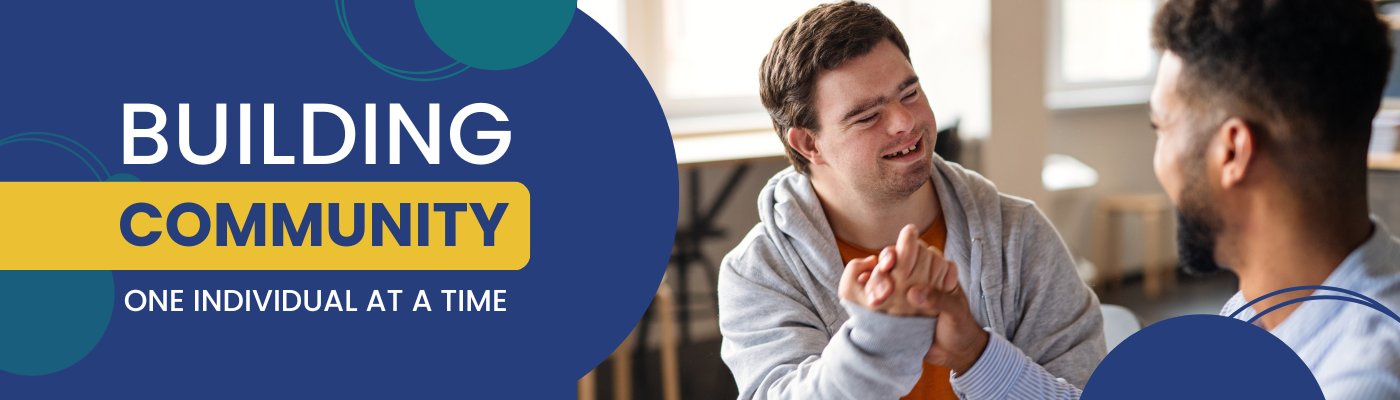
This season, give the gift of community inclusion.
Donate